
Small Support, Big Impact: BSCS Brings Relief and Dignity to Elderly Women in Makokoba
- Written by: Nozibusiso Sivalo
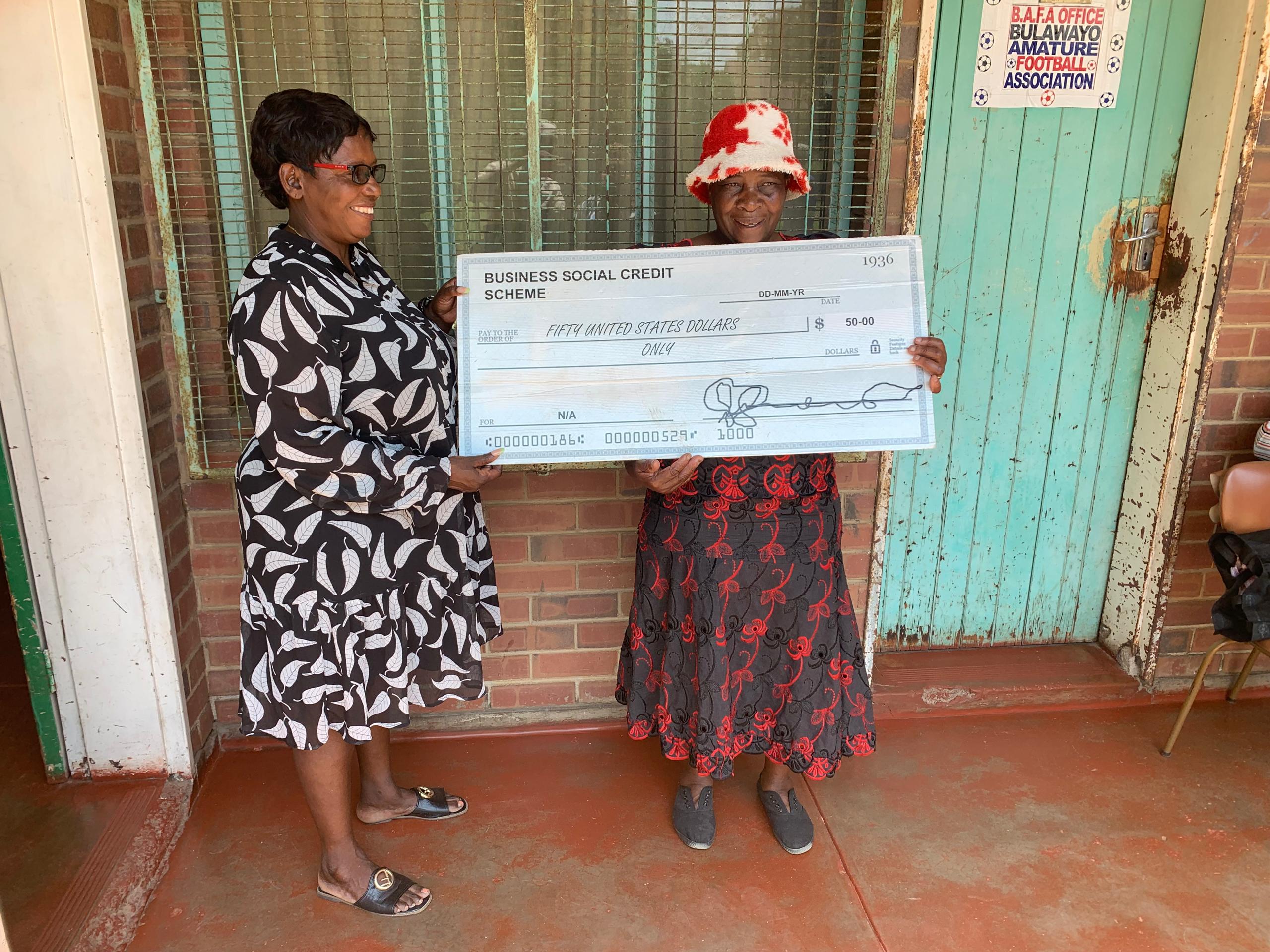
Councillor Ward 7,Thandiwe Moyo (left) hands over donation to Siphiwe Ncube (right)
The Business Social Credit Scheme (BSCS) has once again demonstrated its people-centred approach to social protection by extending critical support to two elderly women, Evelyn and
Gladys, from Makokoba, whose lives have long been shaped by economic hardship and limited access to basic necessities.
Through the scheme, the two women each received US$50, a modest yet impactful intervention aimed at helping them meet urgent needs related to food and medication.
For Evelyn and Gladys, the assistance came at a crucial time, offering relief from the daily struggle of choosing between sustenance and health.
Siphiwe Ncube, a long-time Makokoba resident, has lived most of her later years without a stable source of income.
Age and declining health have limited her ability to engage in informal work, leaving her dependent on sporadic assistance from neighbours and relatives who themselves face economic challenges.
The cost of chronic medication has been a persistent burden, often forcing her to delay treatment or go without meals in order to afford basic drugs.
The US$50 support from the BSCS enabled Evelyn to purchase her prescribed medication while also stocking essential food items, restoring a sense of stability and dignity to her household.
She described the intervention as a lifeline that eased both physical discomfort and emotional stress.
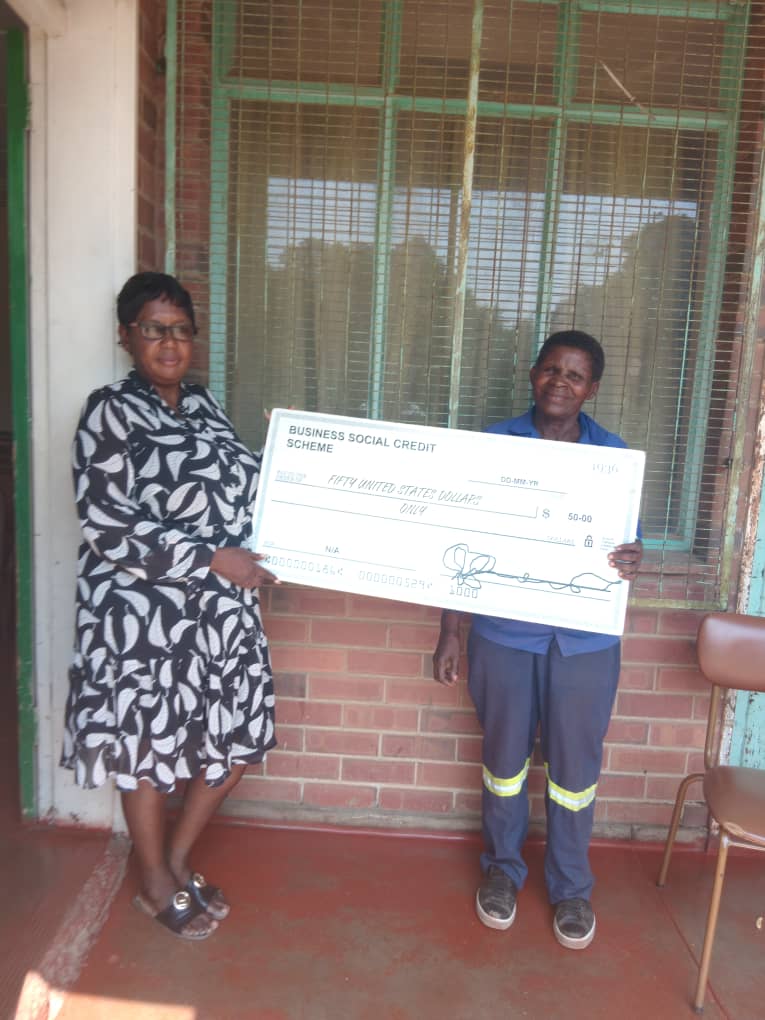
Councillor Thandiwe Moyo hand over donation to Alvinah Ncube
Alvinah Ncube’s story echoes similar struggles faced by many elderly women in high-density township communities.
Unemployed and living alone, she survives on limited support networks and irregular hand-to-mouth means.
Rising food prices and healthcare costs have made everyday survival increasingly difficult, particularly as age-related ailments require regular medical attention.
The assistance she received allowed her to prioritise her health without sacrificing nutrition, ensuring she could buy both food and medication in the same month; an option that had previously been out of reach.
For Gladys, the support represented not just financial aid, but reassurance that she had not been forgotten.